


























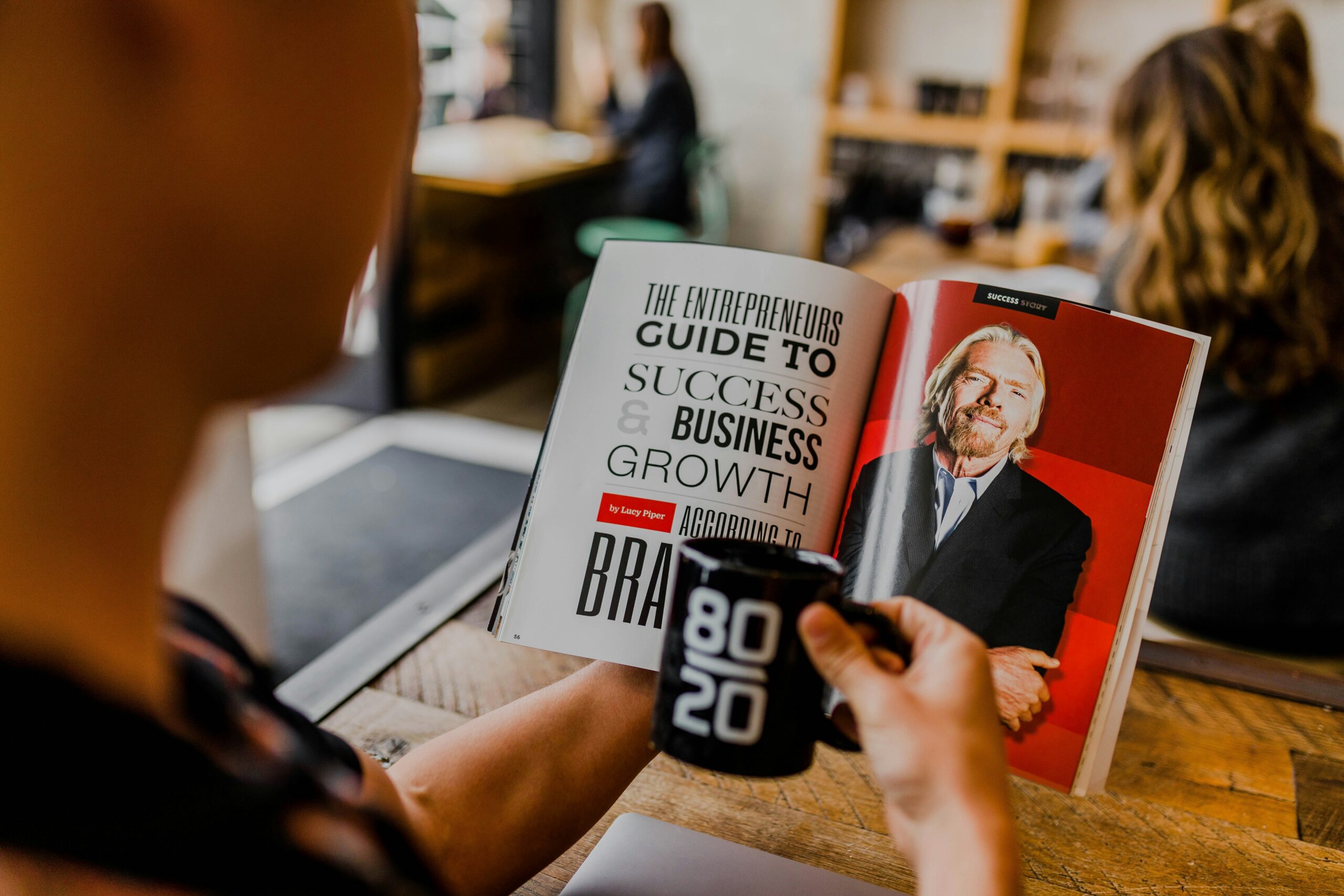
Have you been thinking about where to go when you have questions about keeping your business running not only now, but 10, 20, 30 years in the future? We often think that long-standing businesses are successful by luck or are in a market that will always have customers. But this isn’t necessarily true. Most successful small businesses tend to follow patterns and develop habits that allow them to stand out from the crowd. Furthermore, these habits ensure that these businesses can grow when others can’t.
There is plenty of good advice out there for starting new businesses, but not enough that talks about how to keep them going. Here, I want to discuss seven habits you should consider developing to keep your small business thriving for the decades to come:
Have A Clear Definition of Success
Achieving success involves being clear about your goals, constantly monitoring your work, and evaluating what you need to reach them. There are many reasons why you wanted to start a small business. Maybe it is because you noticed a gap in tent rentals in your market, you have a passion for making bread, want to build wealth, or you want to be your own boss. Maybe your reasons for starting your business changed over time. But if you want your business to thrive over many years, you need to decide what success looks like for you.
Invest in Leadership
As a business owner, you often found yourself running the day-to-day operations in the beginning. But the skills you used to start your business might not be the ones that would help in the long run. Moreover, your entrepreneurial spirit might not necessarily help inspire and grow employees.
So if you intend to take on a managerial role for your business in the long-term, you might need to invest in leadership skills or look for others with strengths in these areas.
Understand Core Customers
A good habit to have is valuing your relationships and connections. You can do this with your business by understanding who your customers are and what they want. Successful small businesses realize they cannot provide everything to every customer. But what keeps them strong is exceptional customer service. Many successful small businesses stayed strong by focusing on their strengths and creating products and services they know their customers will love.
Using social media, surveys, or competitive analysis is great to understand your customers. You can easily ask customers about what they like or dislike, or keep up with what your competitors are doing. Another way to understand your customers is through A/B tests, where you create two versions of something and measure which performs better. Doing this ensures you develop relationships that can last decades, while keeping up with the times and adjusting your services to meet your customers where they are now.
Learn How to Delegate
A common habit of highly successful people is to seek multiple viewpoints. None of us knows everything, and to be highly effective in what you do, you often have to recognize that you will need help. And as a business owner, it seems like everything is on your shoulders; you have to be on top of finances, create captivating marketing campaigns, and build relationships with your customers and employees.
But a key to success is asking for help. Despite its simplicity, delegation may be the hardest mindset to shift, but once you’ve embraced it, you will never look back. Here is how you can develop delegation habits for your business:
Build a Good Team
You know what your strengths and weaknesses are, and you should hire people who help on both fronts by complementing your strengths and covering your weaknesses.
Find Other Professionals
Finding good accountants and lawyers can save you from years of headaches. Try to look for qualified professionals who understand what you do and who you can work with. This can save you a lot of time and stress by not worrying about legal and financial issues.
Become involved in your Business Community
There are hundreds of communities and forums where you can ask questions and get help. You don’t have to figure it out on your own, and there are many people, online and face-to-face, who are happy to share knowledge with you.
Communicate With Your Team
A good habit to develop for the longevity of your small business is communication. It may seem as if everyone understands what the goals of your business are, but more often than not, what you want may not be conveyed to the rest of your team.
Your main goal should be to align the team with the business model. You can do this by investing time in developing a culture of knowledge and communication with your team. This could look like setting up a Slack channel to share ideas, missions, and values, or reviewing KPIs with employees.
Document Your Work
No matter how busy they are, businesses that remain successful over many years take the time to keep careful accounting records. This helps when you want to understand your financial status and is useful when identifying potential challenges early.
Many businesses keep two sets of records: a physical record and another in the cloud. This can give you peace of mind so that if your business has an unexpected event, such as a building fire or becoming a target of hacking, you still have access to crucial data.
Get Stuff Done
A final habit you should aim to adopt for your business’s success is choosing what to do and then actually doing it. The first step in adopting any change in mindset is actively choosing the activity. Whether it is starting a business or keeping it going, choosing what to do is one of the most important steps to take.
Putting It All Together
Thinking about where your business will be in the next decade or two can be a daunting task, but it does not have to be. More often than not, all you need to do is follow certain patterns that allow your business to be more efficient and effective in the long-term. And you only need to take small steps to ensure the success of your business. By developing the habits above, you can build tools that will help your business now, but also in the future.
Author: Cintia Gazola Metallinos

Author Bio: Cintia Gazola Metallinos is a Business Operations and Marketing Leader at All Occasions Tents, a company she has helped grow and modernize for more than ten years. She is the central driver for operational excellence, overseeing critical functions like client proposals, contracts, billing, and database management. Additionally, Cintia directs the company’s entire digital presence, including website development, Google Ads, and social media strategy. With her background in law and court administration, she keeps everything organized and follows all